How to Plan a Study Session

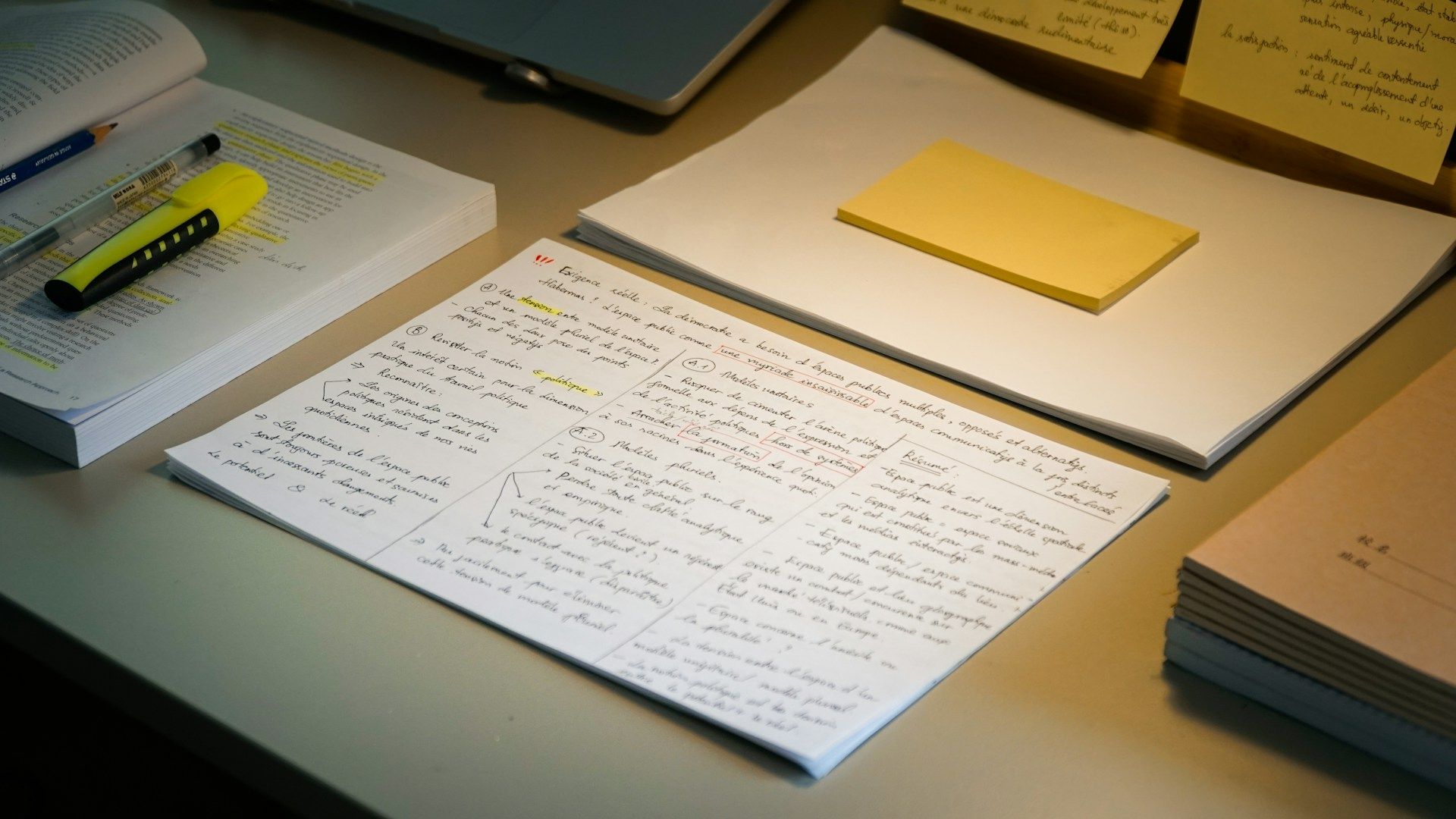
You sit down, open your notes, and suddenly you don’t know where or how to start studying. This is a familiar scenario for most, but there’s a better approach than spending the first few hours feeling stuck. Learn how to plan a study session to get better clarity, direction, and a sense of control over the next one.
How to Organize Study Time Without the Stress
Good study planning can be achieved without overthinking every step. With a simple structure, you can decide what matters, use your time wisely, and actually feel calmer while you work.
Here’s how to plan for an efficient study session:
1. Pick a Goal
Start by deciding what counts as a “successful” study session for you for the day. A great way to do this is by creating an Eisenhower Matrix. This time management tool helps you separate and prioritize tasks based on their urgency (which means they require immediate attention) and importance (they support long-term progress).
It also helps to think about where your gaps are. Do you need to finish an assignment, review a tricky topic you still can’t gauge, or go through practice questions? Breaking larger tasks into smaller chunks makes them easier to schedule—and much easier to start.
2. Decide How Long You’ll Study
Time-boxing is another tactic that can help you turn intention into action. List your tasks, estimate how long each will take, and assign them to specific time slots. This keeps your plan focused and realistic based on your own standards.
Make sure your study time fits your energy and your schedule. Balance study sessions with breaks or some relaxing activities so you don’t burn out. What makes a plan good is when you can actually follow through with it.
3. Split Your Session into Three Parts
Another way to organize study time well is to structure one session into parts:
- Start with a quick review to refresh what you already know
- Focus on active study in the middle (learning new material or practicing)
- End with a test: you can either quiz yourself or summarize topics in your own words
Doing this can help you retain more. You’d also be able to flag knowledge gaps more quickly.
4. Decide on Your Learning Method and Format
Effective study planning means choosing methods that work for you. Use active recall through tools like flashcards, practice questions, or self-quizzing to strengthen memory. Match your method to the subject you’re learning: problem-solving for math, summarizing for reading-heavy topics, and so on.
If you need extra push with motivation and staying accountable, you can also consider studying with others. Either join a study group in-person or simply sign up for a virtual, library-style room like StudyStream. Having other people alongside you while you study, plus built-in AI-powered features, can help you stay engaged and productive.
5. Study in Focused Blocks
The brain naturally cycles through periods of high and low focus. Most people structure study sessions based on this through focused blocks, which are short, distraction-free periods of work followed by breaks.
Try techniques like the Pomodoro method, which allots 25 minutes for deep work, followed by a five-minute break. During breaks, get up to stretch, hydrate, or rest. Avoid switching to another demanding task.
You can also set the length of your focused blocks based on difficulty. Shorter blocks work for harder material, while longer ones make sense when you’re in the flow. This is a simple way to master how to structure a study session without too much stress on your part.
Avoid These Mistakes When Planning a Study Session
When planning a study session, a few bad habits are enough to undermine your progress. Beware of the following common mistakes:
- Cramming – Waiting until the last minute to review will likely not do any good. Instead, it can limit what you understand and retain long-term.
- Relying only on passive learning – Re-reading notes may feel productive, but more often than not, it’s not an effective strategy. You need active recall.
- Skipping breaks – Studying without rest can instantly drain your focus and what you learn.
- Having no structure – Lack of routine or accountability makes it harder to stay engaged with the work.
Study with Clarity
By learning how to plan a study session, you can make sure that every minute you spend remains productive and is used towards your goals.
Structure your time well, know exactly what to prioritize, and studying becomes a manageable experience you can actually enjoy.
Want to make it even more rewarding? Do it with others working alongside you. Sign up for StudyStream, and join 24/7 virtual study rooms filled with over 1,000 people from all over the globe to keep you engaged and motivated. Download the app or join our focus room directly to start studying.